Old kit vs new kit. And I’m not talking about second hand purchases. Is modern equipment as good as the old surplus gear?
In recent articles I’ve been working on a new section called Survivalist, where I’m looking to put together a 72hr kit for all conditions, from Milsims to wild camping. As a long time Airsofter and camper, my house is full of bags of various gear and I don’t always find the time to sit and sift through it all inbetween events to swap gear out and find which bag I last had a certain piece of equipment in. Like a grab bag for any situation. It is, of course, a great excuse to get new gear, as long as it ticks all the boxes.
I’ve been pottering on with a few bits of essential kit, like a new sleeping mat, which I’ll review once it’s had some decent usage. The bulk of it though will be shelter, tools and cook kit and that’s taking a little longer to come to a decision. Although a simple overnight stop like many of the wild camping YouTube channels offer can be done with kit that can be resupplied or washed and dried before the next trip, it’s a very different challenge if you’re out for a week in the wild or longer and might not have immediate access to a high street outdoors store or next day Amazon delivery. In the next few Survivalist articles I’ll look in more detail at what I’m using and why.
I know most people will accept that army issued surplus kit is cheap, nasty and heavy and is made by the lowest bidder. And commercial brands that can spend a lot more and sell for a lot more are making some much more impressive stuff, but just how good is it in comparison?
One of the things I did want to replace was my rucksack, which I’ve had for over 20 years now but was falling apart. I started by going to an outdoors store to have a look and see what was on offer and try a few things on. And what struck me, looking at the technical details, was how important weight was as an attribute. Generally on the hills now I know a lot of people are chasing the lightest weight possible to make the hike easier. I understand completely – we’re a lazy society who chase comfort at every turn, and why wouldn’t you? That’s the benefit of living in 2026. But when I picked a few of these bags up to look at, I was amazed at how thin the fabric was on them. In some cases it was like putting your gear into a plastic bag. These packs were in the £200-£500 bracket, which is about what I was expecting to pay but certainly expected a little more from them. Now, if I was doing an overnight hike in the mountains I wouldn’t be overly bothered because the bag isn’t going to come into contact with anything and it just needs to do the job of holding the weight. But on a Milsim, or out in the woods, I’d be very concerned that it would rip or get damaged, and they’re not cheap bags.
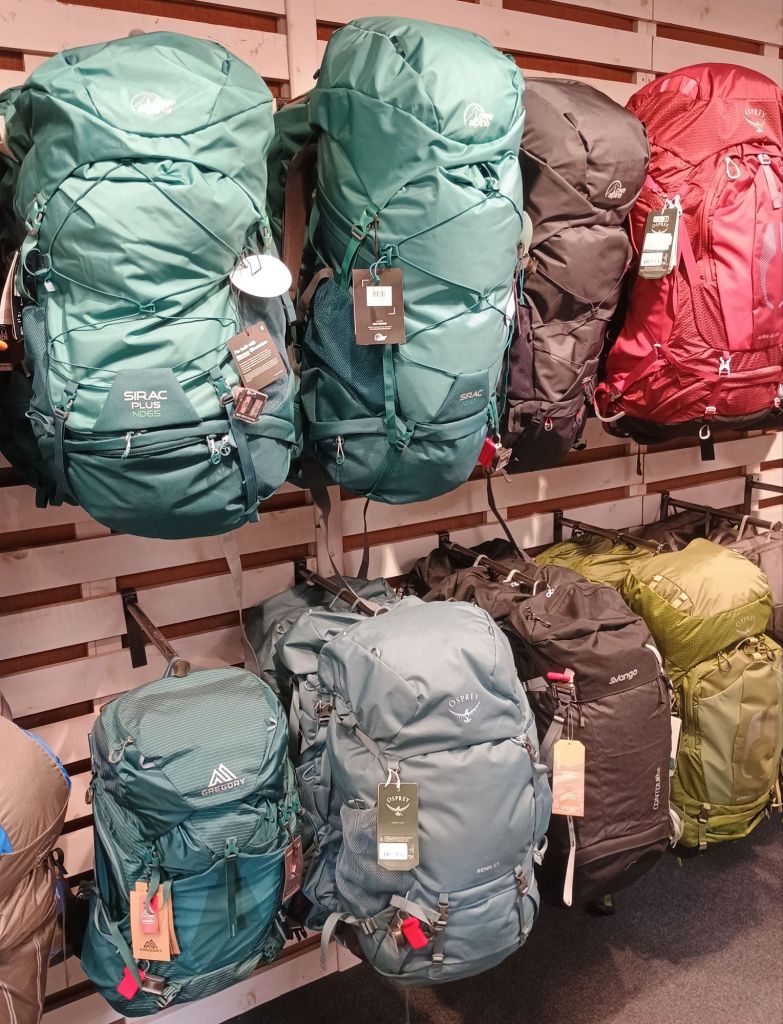
I know the manufacturer will claim that the materials have a high strength-to-weight ratio, but that’s exactly it – it’s still not as strong as an old school 1000D Cordura rucksack, it’s just strong for it’s weight. And on the manufacturer’s part, it’s likely a case of “we managed to make this with less material to reduce the cost of manufacture and increase profits, used less stitching and we’ll use the fact it’s lightweight as a selling point”. In the end, I went online and picked up an old school Karrimor Sabre 60-100, which is pretty heavy, but is a proven product with a great reputation and feels like you could kick out of a helicopter and it’d survive. It was in a similar price bracket (around £300) and doesn’t have a lot of modern features like excessive compartments or an easy access zip for the main compartment, but what it does it does well and I’ll get a proper review up once it gets an outing in a month or so.
You may notice that many modern running shoes now are a super lightweight mesh upper with very little else, cut by a machine and glued to a sole. Will you notice the weight saving while running? Probably not, but it’s much cheaper to make, and you’ll probably be back to buy more once your big toe wears a hole in it.
A lot of it might be to keep up with fashion, a lot is certainly to keep businesses in business because you have to have new products, so new features and ideas are needed that may or may not be necessary. And well know there are factories in the Far East that can look at a good product and sort of do something similar, but for much less cost. And you have to question where that saving has come from (obviously there’s a labour reduction). It sparked a good conversation the other night about what you’re paying for, and what you’re getting, as I pick through products with some teammates to add to my kit.
Just because it’s newer, doesn’t necessarily mean it’s better.
Does that mean old kit is manufactured better? In many cases I’d argue yes, and there’s certainly something to be said for classic designs that just work as well. That doesn’t apply to everything, but we could certainly pick out a few examples. Firstly, the Trangia burner:
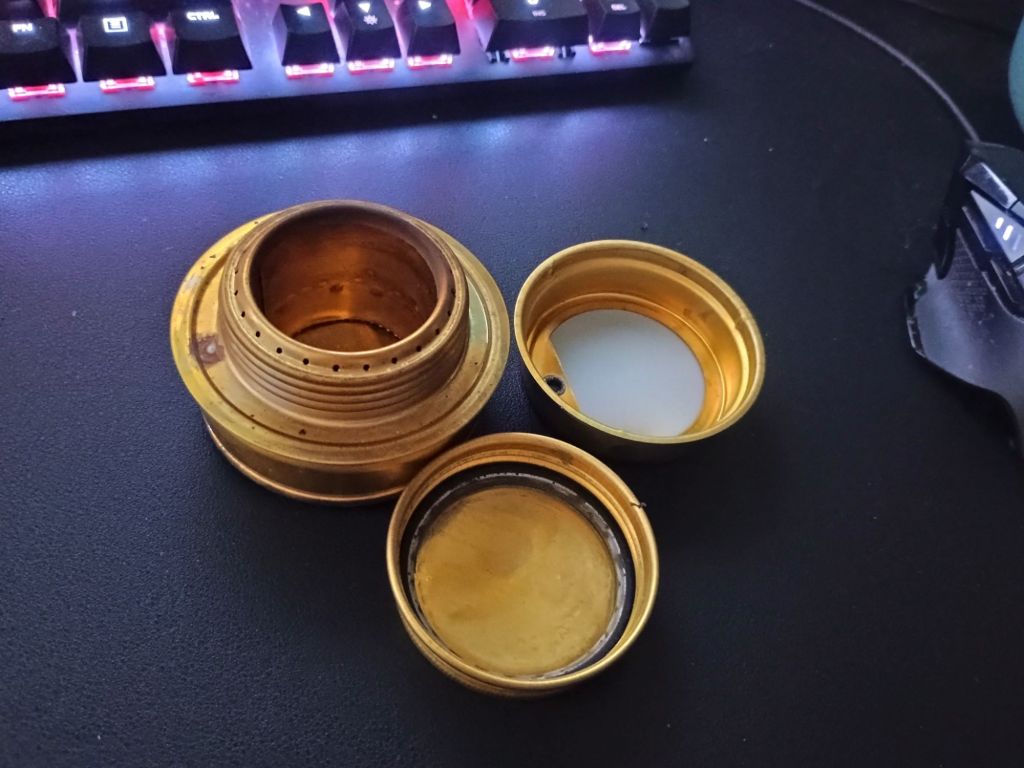
A 1951 design that still remains extremely popular today. I have a couple and they still see regular use. Although there have been more modern versions developed, they haven’t improved on the design and certainly not the quality. The original remains cheap (see here) and effective, and I certainly wouldn’t gamble on a cheap knock off.
British Army 58 Pattern Water Bottle:
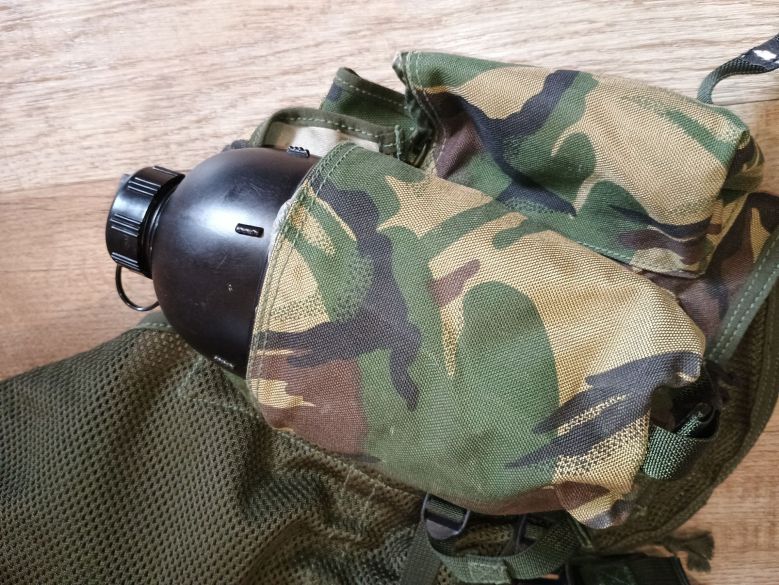
I have a lot of water bottles. I’m sure my wife has an addiction to them too, although they keep leaking or breaking. I’ve certainly had a wet pack from a few of them deciding to dribble precious water. The one that doesn’t fail me, ever, is the 58 pattern bottle. Designed in, yep, 1958 and issued from 1960, it’s another good solid piece of kit (despite being issued gear) that just doesn’t let you down. The design hasn’t changed and although the ones I have are almost certainly more recent, it’s still the same product that has survived years of change. I know I could spend upwards of £50 on a shiny steel water bottle but the 58 pattern is proven, and that counts for a lot.
Esbit Stoves:
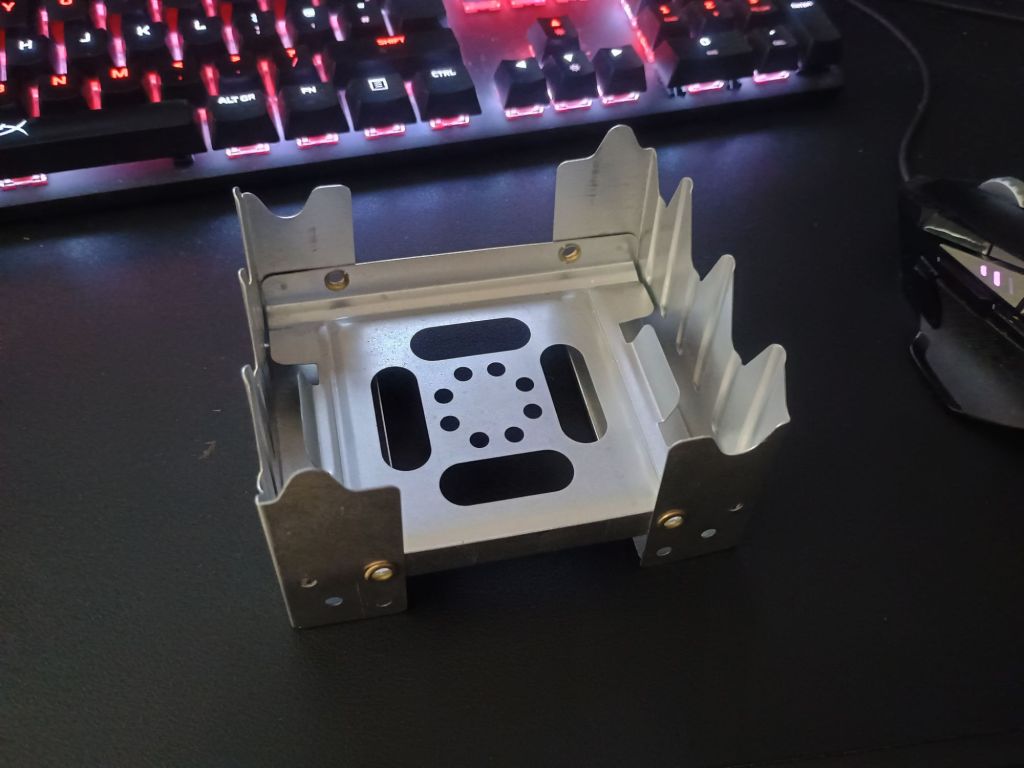
1936. Nearly a century old, the classic hexi tablet stove is compact, lightweight and although the fuel has changed recently it still performs very well. I have about 8-10 of these kicking around in various packs and pouches because they can be bought for very little and they work absolutely fine. I know my teammates can whip up a brew in half the time, but if I’ve set up camp then I’m not competing for the quickest meal time, especially when it’s only a few minutes anyway.
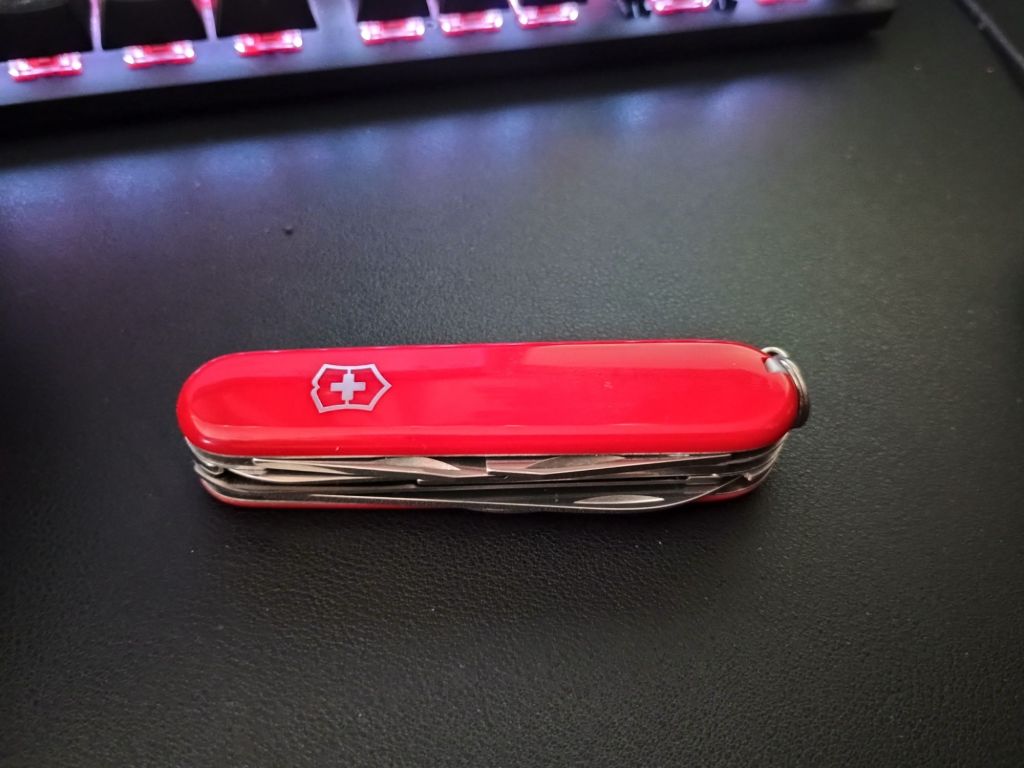
Victorinox Swiss Army Knife – I have a few models and the Huntsman is always on me somewhere when I’m out and about. Originally designed in 1897…
I could also mention clothing, which divides a lot of people. I’ve had a lot of outdoors trousers from brands like Revolution Race, Helikon, Teesar, Pentagon among others and every single pair has, within a year, had the stitching fail on it and rip. The Revolution trousers in particular were extremely disappointing in terms of quality. They’re comfortable, fit nicely and the high polyester content means modern trousers do dry pretty quickly, but on the other hand I’ve had a few pairs of issued DPM trousers and they’ve never come apart. Sure, I’ve had a couple rip because I’ve abused the hell out of them and caught them on something sharp in the woods, but I’ve never had any stitching come loose or a zip break, or even a button come off.
When I was younger I used to look at army issued kit and wonder why they just didn’t update and modernise the basics – it must be so much better. Then a few years ago I watched a US Army Jungle Instructor who trained troops in Hawaii and he was still running a lot of Vietnam era kit, explaining simply that it works. Indeed, ALICE kit is still in use by a lot of forces today, especially the packs, despite the age of it. And a key point – militaries need proven kit that can operate reliably more than they need something that looks good on their Instagram page.
I often get people asking why I haven’t replaced my VSR with a more modern Airsoft sniper rifle, like a TAC-41 or Steyr Scout, and the simple reason is that I don’t need to stay up to date with the latest releases, because my VSR works and it works very well. Sure it’s not as fashionable, and I don’t get to do exciting posts and reviews about the latest things on the market, like a news outlet, which would get me some brownie points from sponsors, but that’s not my game. Every time I step out into an Airsoft game, even though it’s only a game, I need to know everything is going to work.
That’s not to say of course that all modern equipment is crap. There’s a balance – I like having a Sawyer Mini water filter in my kit for almost endless clean water. My sleeping mat is way better than anything I’ve had before. There are some elements of the kit where better technology has made a positive difference. But I wouldn’t just dismiss “old stuff” based on the idea that we have newer and more advanced products now – we live in a very commercialised society where it’s all about sales rather than quality. It’s important that the kit you choose is up to the job, and for me often the simpler stuff works better.
If you’re in the woods, ten days into a two week trip and many miles from a shop, would you gamble on your gear? Or would you trust something that others have been trusting for years with good reason?
The value of things
Another thing to touch on is cost. We all have budgets for our gear. I think every item and every pick has a cost to value to consider. I can get a Titanium version of the Trangia stove for £55, or I can get the original which will also boil my water for £16. I can spend £1100 on a Hilleberg tent to keep me sheltered, or I can spend £100 on something cheaper – of course, it won’t be quite as good but for the extra £1000 am I getting that much extra performance? Is it going to drastically change how I camp? (If you’re thinking weight is the difference, the Hilleberg Soulo is 2.4kg, but I can get an Alpkit Polestar for £140 which is only 980g in weight). I can get an 58 pattern bottle for under £10 or spend double on a branded outdoor bottle that may or may not leak or break. The Mora Companion knife is still only around £10 and yet it’s there in probably 99% of bushcraft kits, because it works and it does the job better than many products ten times the price. If I’m going to spend the extra on something, it needs to add that difference in terms of performance, otherwise it’s just commercial markup and I’m not getting anything for it.
It’s this perception I think that puts a lot of people off enjoying the outdoors, because we believe the hype that you need that latest £400 Goretex Lite jacket you’ve seen online, otherwise you’re going to have a bad time. At the other end of the spectrum though, we have a race to the bottom, trying to make things so cheaply they’re just not up to the job at all. But then, you’re unlikely to see the US army for example buying their kit off Amazon, although often you’ll find reviewers who get sent stuff by budget companies just to try and ship some products. Sure, if it’s something as basic as a spoon or a cotton bandana you probably won’t go far wrong, but I’d avoid it for anything like a tent, sleeping bag or tools (you don’t want your knife snapping or a compass that points the wrong way). There are a lot of videos online now of people attempting to survive using £30 of stuff the found on Temu or at the supermarket camping aisle, and although it can be done, we’re all watching these vids to see how quickly gear fails.
Let me know if you have any good, reliable bits of kit in the comments, old or new. Anything you think I should pick up or test out?


One thought on “Out with the old, in with the new?”